

Guide: How to Make Your WordPress Website as Secure as Possible
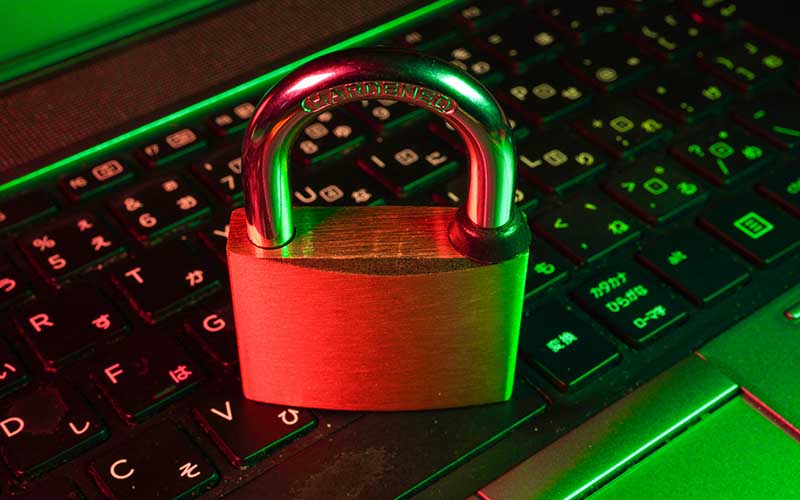
WordPress is one of the most popular website platforms in the world, which also makes it a common target for hackers. The good news is that most WordPress websites can be made significantly more secure by following a few important security practices.
There is no way to guarantee that a website will never be hacked, but you can make your WordPress site much harder to compromise. The key is to protect your login accounts, keep your software updated, limit unnecessary access, and maintain reliable backups.
1. Keep WordPress Updated
One of the most important things you can do is keep WordPress itself up to date. WordPress releases security updates to fix vulnerabilities that could otherwise be exploited by attackers.
You should also regularly update your plugins and themes. An outdated plugin can potentially provide an attacker with a way into your website, even if WordPress itself is completely up to date.
Enable automatic updates where appropriate, particularly for minor WordPress security releases. For major updates, test your website beforehand if you run a business or complex website.
2. Use Strong, Unique Passwords
Your WordPress administrator account is one of the most important things to protect.
Never use simple passwords such as a company name, birthday, website name, or common password. Instead, use a long, unique password generated by a reputable password manager.
Every administrator should have their own account. Avoid sharing one administrator login between several people because it makes it difficult to determine who made changes and increases the number of people who know the password.
You should also remove old user accounts that are no longer required.
3. Enable Two-Factor Authentication
Two-factor authentication (2FA) adds another layer of protection to your WordPress login.
With 2FA enabled, knowing your password is not enough to access the account. The user must also provide a temporary verification code or another authentication factor.
This is particularly important for administrator accounts. If an attacker obtains an administrator’s password through phishing or a password leak, 2FA can prevent the attacker from simply logging in.
4. Install Only Trusted Plugins and Themes
Plugins and themes can add powerful functionality to WordPress, but every additional piece of software can also introduce potential security risks.
Only install plugins and themes from reputable sources. Avoid downloading “nulled” or pirated versions of premium plugins and themes. These files can contain malicious code, backdoors, or other unwanted modifications.
Regularly review your installed plugins and remove anything you no longer use. Simply deactivating an unnecessary plugin is not always enough; deleting software you do not need reduces the potential attack surface.
5. Use Secure Hosting
Your hosting provider plays an important role in website security. Look for hosting that provides current PHP versions, SSL/TLS certificates, server-level security, malware monitoring, firewalls, and regular backups.
Avoid choosing a hosting company based solely on the cheapest price. A reliable host can provide important protections at the server level that you cannot easily implement yourself.
Your website should also use HTTPS. An SSL/TLS certificate encrypts information transferred between visitors and your website and is essential for modern websites.
6. Protect the WordPress Login
The WordPress login page is frequently targeted by automated attacks. Attackers may repeatedly try usernames and passwords in an attempt to gain access.
Use a security plugin or server-level protection to limit repeated login attempts. A web application firewall (WAF) can also block many malicious requests before they reach WordPress.
Avoid security tricks that simply hide the login page and assume that makes the website secure. Login protection, strong authentication, and monitoring are much more important.
7. Make Regular Backups
Even with excellent security, you should assume that something could eventually go wrong.
Maintain regular, automated backups of both your WordPress files and database. Ideally, keep copies somewhere separate from your web server.
For important websites, follow the principle of having multiple copies, including at least one backup that cannot easily be modified or deleted by an attacker who compromises the website.
Most importantly, test your backups. A backup that cannot actually be restored is not a reliable backup.
8. Use a Web Application Firewall
A web application firewall can provide an additional layer between the internet and your WordPress installation.
A WAF can detect and block various malicious requests, including attempts to exploit known vulnerabilities, suspicious login activity, and some common types of automated attacks.
Many reputable WordPress security solutions combine a firewall with malware scanning, login protection, and security notifications.
9. Give Users the Minimum Access They Need
Do not give everyone administrator privileges.
WordPress provides different user roles, so use the lowest level of access necessary for each person. Someone who only needs to write articles generally does not need administrator access.
This principle is known as least privilege. If one account is compromised, limiting its permissions can reduce the damage an attacker can cause.
10. Monitor Your Website
Security is not something you configure once and forget about.
Monitor your website for unexpected administrator accounts, modified files, unfamiliar plugins, suspicious login attempts, redirects, and changes you did not make.
Consider using a reputable security plugin or external monitoring service to alert you when suspicious activity occurs.
Finally, have a recovery plan. Know how to restore your website from a clean backup, how to contact your hosting provider, and how to reset compromised credentials.
The strongest WordPress security strategy is based on multiple layers rather than one “magic” security plugin. Keep WordPress, plugins, and themes updated; use strong passwords and two-factor authentication; choose secure hosting; minimize user permissions; install software only from trusted sources; protect the login area; use a firewall; and maintain tested, independent backups.
No website can be made completely immune to attacks, but these measures can dramatically reduce the likelihood of a successful compromise and, just as importantly, make recovery much easier if something does go wrong.
 Check out our marketplace
 Check out our marketplace