

SSD, GPU, RAM, CPU, and USB Flash Drives Price Comparison: Mid-2025 vs September 2026
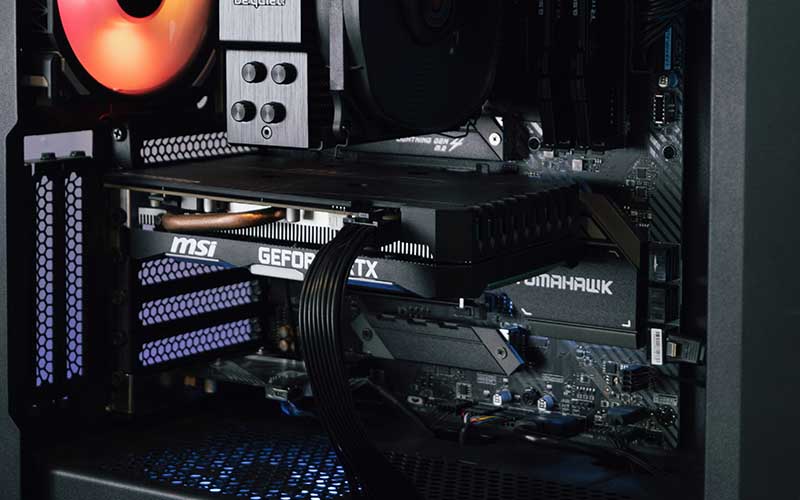
For decades, computer hardware followed a predictable pattern: every year brought faster products at lower prices. That trend was dramatically disrupted between mid-2025 and September 2026. A combination of AI-driven demand, semiconductor shortages, and limited memory production pushed prices for many consumer PC components sharply upward. RAM experienced the largest increases, while SSDs, graphics cards, and storage devices also became significantly more expensive. CPUs were affected less severely but still saw higher average prices.
The biggest story of the period has been memory. In mid-2025, a typical 32GB DDR5 memory kit cost around $80–100, making it an affordable upgrade for gamers and workstation users. By September 2026, equivalent kits often cost $350–500 or more, depending on speed and availability. Industry data indicates that DDR5 prices have risen by more than 440–540% compared with July 2025 levels. The reason is straightforward: memory manufacturers such as Samsung, SK Hynix, and Micron shifted a large portion of production toward high-bandwidth memory (HBM) used in AI accelerators, reducing supply for ordinary consumer RAM. As a result, RAM became one of the most inflation-affected PC components during 2025–2026.
Solid-state drives (SSDs) also experienced substantial price growth, although not as extreme as RAM. In 2025, a good 1TB PCIe 4.0 NVMe SSD could often be purchased for $50–70, while premium 2TB models sold for $100–130. By September 2026, equivalent products frequently cost 120–130% more than before the memory shortage. A 1TB drive that once cost $60 may now sell for $130–160, while 2TB models often exceed $250. Since NAND flash memory is used in SSDs, shortages in memory production directly affected storage prices. Enterprise demand from AI servers and data centers also increased competition for flash memory, keeping prices elevated.
USB flash drives followed a similar pattern because they rely on the same NAND technology as SSDs. Price increases have not been as widely documented, but market trends suggest that USB storage prices have risen alongside SSDs. In 2025, a high-quality 128GB USB flash drive might cost around $10–15, while a 256GB model could be purchased for $20–25. By September 2026, those products are commonly 50–100% more expensive, especially for premium USB 3.2 and USB4 devices. Although flash drives remain relatively inexpensive compared with SSDs, consumers are paying noticeably more for portable storage than they did a year earlier.
Graphics cards, or GPUs, tell a different story. GPU prices had largely stabilized by late 2024 and early 2025 after the cryptocurrency mining boom ended. However, the AI boom created new pressure on both gaming and professional graphics products. Consumer GPU prices in September 2026 are roughly 40–50% higher than their lowest levels in 2025. Nvidia cards have generally seen larger increases than AMD products because of their popularity for AI workloads. A graphics card that sold for $500 in 2025 may now cost $700–800, while premium models often exceed their original launch prices by a significant margin. High-end products, particularly those with large amounts of VRAM, have become especially expensive because businesses and enthusiasts compete for the same hardware.
CPUs have been the least affected component category. Processor manufacturing is separate from memory production, and major manufacturers such as Intel and AMD have maintained relatively stable supply chains. Nevertheless, CPU prices have increased modestly due to overall inflation, higher motherboard costs, and more expensive platform components. Mainstream processors that sold for around $250 in 2025 may now cost $280–320, while premium desktop CPUs have seen smaller percentage increases than RAM, SSDs, or GPUs. Compared with other components, CPUs remain one of the better-value upgrades in 2026.
The overall picture is clear: September 2026 represents one of the most expensive periods for PC hardware in recent memory. RAM experienced the greatest inflation, followed by SSDs and USB storage, while GPUs rose due to AI demand and CPUs remained comparatively stable. The driving force behind these changes is not a lack of technological progress but rather a supply imbalance. AI infrastructure requires enormous quantities of memory chips and advanced semiconductors, redirecting production away from consumer products.
For consumers, this means that upgrading a PC in 2026 often costs significantly more than it did in 2025. A system that required $1,000 worth of components before the shortages may now cost $1,500 or more. Industry analysts expect elevated prices to continue through at least 2027, meaning that the era of constantly cheaper computer hardware may be temporarily on hold.
 Check out our marketplace
 Check out our marketplace