

The Future of PC Processors: What New CPUs Can We Expect in 2027?
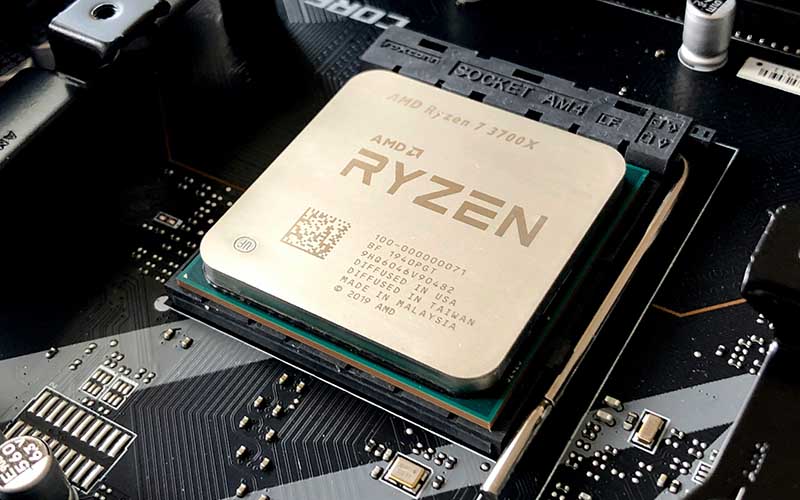
The PC processor market is expected to enter an exciting new phase in 2027, with AMD, Intel and potentially other chip manufacturers preparing their next generations of desktop and laptop CPUs. As artificial intelligence, gaming, content creation and power efficiency continue to shape the computer industry, processors are becoming more advanced than ever before. The next generation of CPUs is likely to bring improvements in performance, architecture, energy efficiency and integrated AI capabilities.
Although some details about 2027 processors remain unconfirmed, existing product roadmaps and industry developments give us a good idea of what to expect. From AMD’s future Ryzen processors to Intel’s next-generation Core lineup, 2027 could be an important year for the desktop PC market.
AMD Ryzen: The Arrival of Zen 6
One of the most anticipated processor releases of 2027 will likely be AMD’s next-generation Ryzen desktop family, based on the Zen 6 architecture, reportedly codenamed Olympic Ridge.
Zen 6 is expected to bring a substantial architectural improvement over Zen 5. One of the biggest potential changes is an increase in core counts. Current industry reports suggest that high-end Zen 6 desktop processors could feature up to 24 cores and 48 threads, compared with the 16 cores and 32 threads found in the Ryzen 9 9950X. This could make future Ryzen processors particularly attractive for demanding applications such as video editing, 3D rendering, software development and multitasking. These specifications are not yet officially confirmed.
Another important development could be the manufacturing process. Zen 6 is expected to use TSMC’s advanced 2nm manufacturing technology for its main CPU chiplets. A smaller manufacturing process can allow manufacturers to fit more transistors into a given area while potentially improving power efficiency and performance.
For gamers, however, the most interesting development could be the next generation of AMD’s X3D processors. AMD’s 3D V-Cache technology has already demonstrated that additional cache can significantly improve gaming performance in certain titles. It would make sense for AMD to continue developing this technology for Zen 6, potentially delivering even better frame rates and smoother performance in CPU-intensive games.
There is also encouraging news for existing AMD users. Current reports indicate that Zen 6 desktop processors are expected to retain compatibility with the AM5 socket. If this is confirmed, owners of compatible Ryzen 7000 and Ryzen 9000 motherboards may be able to upgrade their processors without replacing their entire platform.
Intel Core Ultra 400: Nova Lake Could Be a Major Upgrade
Intel is also preparing a major new desktop processor generation for 2027. Its upcoming Core Ultra 400 series, known by the codename Nova Lake, could represent one of the company’s most ambitious CPU releases in recent years.
According to current reports, Nova Lake desktop processors could introduce a completely new combination of performance and efficiency cores. The top configurations are rumoured to feature up to 52 cores, consisting of performance cores, efficiency cores and additional low-power cores.
However, it is important to understand that more cores do not automatically mean better gaming performance. Most PC games still benefit more from strong single-core performance, low memory latency and efficient cache systems than from extremely high core counts.
One particularly interesting rumoured feature is Intel’s large Last Level Cache (bLLC). Some reports suggest that high-end Nova Lake processors could feature up to 288 MB of additional cache. This technology could help Intel compete directly with AMD’s Ryzen X3D processors, which have established a strong reputation among gaming enthusiasts.
Nova Lake could also introduce a new motherboard platform. Current reports point towards the LGA1954 socket and Intel’s 900-series chipsets, meaning existing LGA1851 motherboards are unlikely to support the new processors.
The first Nova Lake desktop models are expected around the beginning of 2027, with higher-end configurations potentially arriving later in the year. This staggered launch could make 2027 particularly interesting for enthusiasts looking to build high-performance gaming PCs.
More Competition in the Midrange CPU Market
Not every interesting CPU release in 2027 will target enthusiasts with expensive flagship processors. The midrange market could also see some important developments.
Intel is reportedly considering another refresh of its Raptor Lake platform, potentially under the name Raptor Lake Next. These processors could target budget-conscious users who want a reasonably powerful desktop without investing in an entirely new motherboard and memory platform.
One reason this could be important is the continued demand for affordable DDR4 memory and compatible motherboards. Although DDR5 is becoming increasingly common, DDR4 remains attractive for users building budget gaming PCs or upgrading older systems.
AMD could also continue offering refreshed Ryzen processors alongside its newer Zen 6 products. This would allow the company to compete across different price categories rather than focusing exclusively on expensive flagship CPUs.
For consumers, increased competition is generally good news. Intel and AMD will need to offer better performance, more attractive pricing and improved efficiency to convince users to choose their latest products.
Laptop CPUs Will Become More Powerful and Efficient
Desktop processors will not be the only products receiving major upgrades in 2027. Laptop CPUs are also expected to benefit from new architectures, improved manufacturing processes and more advanced integrated graphics.
AMD is reportedly developing its next-generation Medusa Point mobile processors, based on Zen 6 technology. These chips could offer better multi-core performance while maintaining the power efficiency required for thin and lightweight laptops.
Intel will also continue developing its mobile processor lineup, focusing on battery life, integrated graphics and AI acceleration. Improvements in integrated GPUs could make future laptops more capable of running modern games without requiring a dedicated graphics card.
This will be particularly important for ultrabooks, compact gaming laptops and handheld gaming devices, where power consumption and cooling capacity are major limitations.
Artificial Intelligence Will Become More Important
Another major trend we can expect in 2027 is the increasing importance of artificial intelligence in PC processors.
Modern CPUs already include dedicated AI acceleration hardware, commonly known as NPUs (Neural Processing Units). These components are designed to handle certain AI workloads more efficiently than traditional CPU cores.
In 2027, we can expect manufacturers to continue improving their NPUs, increasing their processing capabilities and making local AI applications more practical.
This could benefit several everyday applications, including real-time language translation, image editing, video processing, voice recognition and AI-powered productivity software.
An important advantage of local AI processing is that certain tasks can be performed directly on the computer instead of sending everything to cloud servers. This can improve privacy, reduce internet dependency and potentially decrease response times.
However, dedicated AI hardware will not automatically make every application faster. Software developers will need to optimise their programs to take advantage of these capabilities.
What Will 2027 Mean for PC Enthusiasts?
Overall, 2027 could become one of the more interesting years for PC hardware enthusiasts. AMD’s Zen 6 and Intel’s Nova Lake architectures could introduce significant improvements in core counts, cache technology, manufacturing efficiency and overall computing performance.
For gamers, the biggest competition could develop between AMD’s next-generation X3D processors and Intel’s Nova Lake CPUs with their rumoured large cache configurations. Both companies appear interested in improving gaming performance rather than simply increasing the number of cores.
For professionals, higher core counts and improved multi-threaded performance could make video editing, rendering and other demanding workloads faster.
Meanwhile, laptop users could benefit from more powerful integrated graphics, better battery efficiency and increasingly capable AI hardware.
Of course, it is important to remember that many specifications currently circulating about 2027 processors are based on leaks and industry reports rather than official product announcements. Release schedules and specifications can change before products reach retailers.
One thing is clear: 2027 could bring some serious competition between AMD and Intel. If both companies deliver on their expected architectural improvements, PC enthusiasts may have some excellent processor options to choose from. The most exciting question will not simply be which company produces the fastest CPU, but which manufacturer can deliver the best combination of gaming performance, productivity, power efficiency and price.
 Check out our marketplace
 Check out our marketplace