

Beware of RTX 5090 GPU Scams: What Buyers Need to Watch Out For
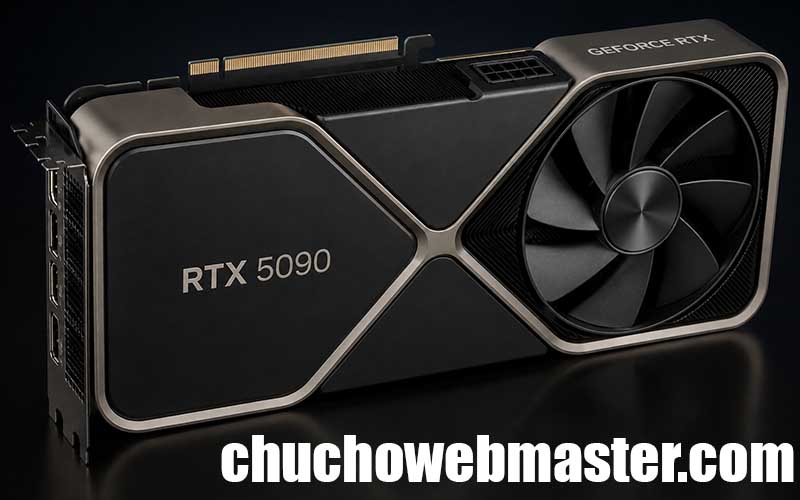
The NVIDIA GeForce RTX 5090 is one of the most desirable graphics cards on the market. With 32GB of GDDR7 memory, 21,760 CUDA cores and a 575W total graphics power rating, it is a premium piece of hardware—and that makes it an attractive target for scammers.
The combination of high demand, limited availability and increasingly high prices creates plenty of opportunities for dishonest sellers. In 2026, RTX 5090 buyers need to be particularly careful when purchasing from marketplaces, private sellers and unfamiliar online stores. Here are some of the most common scams to watch for.
Fake RTX 5090 Listings
One of the simplest scams is a listing that claims to sell a genuine RTX 5090 but either never delivers the card or sends something completely different.
Scammers may use official NVIDIA photographs, manufacturer logos and convincing product descriptions to make a listing appear legitimate. The advertised price is often the biggest warning sign. If a seller is offering a supposedly brand-new RTX 5090 for dramatically less than comparable listings, you should be suspicious.
This is especially important because RTX 5090 prices have become extremely volatile. Recent market tracking has shown the card selling for thousands of dollars, substantially above its original positioning.
A low price does not automatically mean a scam, but an unusually cheap RTX 5090 deserves careful investigation.
Empty Boxes and the Wrong Product
Another variation involves sellers shipping a package that technically has an RTX 5090 listing attached to it, but contains something else.
Buyers have reported marketplace scams involving empty boxes, cheaper graphics cards, non-functional hardware or even unrelated objects. Because the RTX 5090 is expensive and relatively compact compared with its price, it is an appealing product for this type of fraud.
When buying online, check the seller’s history rather than relying solely on the product’s review score. Be particularly cautious if an account has recently been created, has little selling history or suddenly starts selling large numbers of expensive GPUs.
If possible, record yourself opening the package. This does not guarantee that a marketplace will approve a dispute, but it creates useful evidence showing the condition and contents of the shipment.
RTX 5090s With the GPU or Memory Removed
Perhaps the most concerning scam is buying a physically authentic RTX 5090 that has been deliberately stripped of valuable components.
In 2025, a reported RTX 5090 scam involved a card whose GPU die and GDDR7 memory had been removed from the PCB. The buyer had reportedly paid around $2,000 for the card, only to discover that the most important components were missing.
This demonstrates why buying a used RTX 5090 requires more caution than simply checking whether the box and cooler look genuine.
A card can have authentic NVIDIA or board-partner branding and still be unusable because critical components have been removed. If purchasing second-hand, ask for photographs of the actual card rather than stock images and, where possible, request proof that the card is operational.
Counterfeit or Modified Graphics Cards
Another risk is a counterfeit card designed to resemble a genuine RTX 5090.
A scammer may modify an older or cheaper graphics card, alter its identification information, install a different cooler or manipulate software so that the operating system reports an incorrect model. A photograph alone may not reveal the deception.
For a used card, testing is therefore extremely important. The GPU should be identified correctly by software, and its specifications should correspond to the RTX 5090’s known characteristics. NVIDIA lists the genuine RTX 5090 as having 32GB of GDDR7 memory and a 512-bit memory interface.
Running a GPU information utility and a legitimate benchmark can reveal inconsistencies that are invisible in photographs.
Fake Online Stores
Not every RTX 5090 scam involves a marketplace. Fake web stores can also be used to collect money and personal information.
A fraudulent store may copy the design of a legitimate retailer and advertise RTX 5090 cards at unusually attractive prices. The website might look professional, have apparently authentic product photographs and even display fake customer reviews.
Before paying, research the retailer independently. Look for a long-established business, verifiable contact information and reviews from sources outside the store itself. Be especially cautious if payment is requested through cryptocurrency, bank transfer, gift cards or another method that provides limited buyer protection.
A legitimate-looking website is not proof that the business is legitimate.
Watch Out for “Too Good to Be True” Deals
The biggest rule when shopping for an RTX 5090 is simple: do not let a bargain override common sense.
Today’s RTX 5090 market can involve substantial price differences between models and retailers, so you should compare several reputable sellers before deciding what constitutes a reasonable price. NVIDIA also notes that actual prices can vary by product and manufacturer.
If one seller is dramatically cheaper than everyone else, investigate why before sending money.
How to Protect Yourself
The safest approach is to buy from an established retailer or an authorized seller whenever possible. If buying second-hand, use a payment method with meaningful buyer protection and keep screenshots of the original listing, seller communications and transaction.
For a used RTX 5090, ask for the card’s serial number, photographs of the actual hardware and evidence that it works. If you can inspect it in person, test the card before completing the transaction.
Finally, remember that a genuine RTX 5090 is a sophisticated, expensive component—not simply a box with an NVIDIA logo. The real card has very specific hardware characteristics, including 32GB of GDDR7 memory, and those characteristics should be verifiable.
The RTX 5090 is an extraordinary GPU, but its desirability makes it an obvious target for fraud. Taking a few extra minutes to verify the seller, price, hardware and payment method can prevent a very expensive mistake.
 Check out our marketplace
 Check out our marketplace