

When Should USB Flash Drive Prices Go Down?
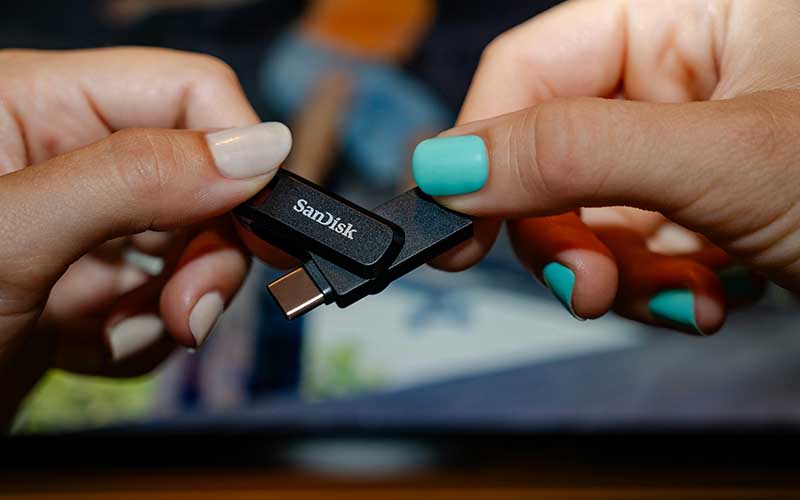
USB flash drives have traditionally been one of the cheapest and most convenient ways to store and transfer files. However, shoppers looking for a new USB drive in 2026 may have noticed that prices are not falling as quickly as they once did. The main reason is not the USB technology itself, but the cost and availability of the NAND flash memory inside these devices.
NAND flash is the semiconductor memory used in USB drives, SSDs, memory cards and many other storage products. In 2026, the NAND market is being affected by unusually strong demand from artificial-intelligence infrastructure and data centers. TrendForce reported that NAND Flash contract prices were expected to increase by around 10–15% quarter over quarter in the third quarter of 2026. It also noted that demand for retail storage products, including USB flash drives and memory cards, remained weak, but manufacturers were still allocating capacity toward higher-margin AI and server applications.
This creates an unusual situation for consumers. Demand for USB drives may be relatively modest, but prices can remain high because manufacturers have less incentive to dedicate scarce NAND production to inexpensive consumer products.
Why Are USB Prices Rising?
The biggest factor is the changing economics of the memory industry. AI data centers require enormous quantities of memory and storage, and manufacturers can often earn more from supplying enterprise customers than from producing low-cost consumer flash products. As a result, capacity is increasingly being directed toward higher-value applications.
At the same time, expanding semiconductor production takes years. A recent report citing Phison’s CEO suggested that NAND supply could take several years to catch up with demand, potentially extending the current pricing pressure well into the end of the decade.
For USB flash drives, there is another complication: the retail price includes much more than the NAND chip. It also covers the controller, packaging, manufacturing, distribution, retailer margins and brand costs. Therefore, even if NAND prices fall by a certain percentage, the price of a finished USB drive may not fall by the same amount.
When Could Prices Start Falling?
The short answer is that consumers should not expect a major, sustained decline in USB prices immediately.
A more realistic possibility is that prices begin stabilizing before they actually decline. TrendForce’s July 2026 analysis indicated that consumer demand was weakening and that buyers were becoming less willing to accept higher prices. This could reduce manufacturers’ ability to keep raising prices. However, the same analysis said that suppliers were continuing to prioritize AI and server products, limiting the amount of NAND available to the open market.
This means late 2026 could bring periods of temporary discounts without necessarily marking the beginning of a long-term price decline. Retailers may discount certain models to clear inventory, particularly during major shopping events, but wholesale NAND costs could remain elevated.
A more meaningful reduction would require an improvement in the underlying supply-demand balance. That could happen if manufacturers add substantial new production capacity, AI-related demand grows more slowly than expected, or consumer demand falls enough to create excess inventory. Until one or more of those conditions occurs, there is limited reason to expect USB prices to return quickly to the exceptionally low levels seen during previous periods of NAND oversupply.
Should You Wait to Buy a USB Drive?
For consumers who need a USB drive now, waiting purely for a dramatic price collapse may not be worthwhile. Current industry forecasts suggest that memory supply remains constrained rather than oversupplied. Some industry executives have even warned that NAND shortages could persist for several years.
However, shoppers can still save money by avoiding unnecessary premium specifications. For ordinary document transfers, backups and media storage, a reputable USB 3.x drive with adequate capacity may offer better value than paying a substantial premium for the newest or fastest model.
It is also worth watching the price per gigabyte rather than focusing only on the headline price. A slightly more expensive 256GB drive, for example, may offer considerably better value than a 128GB model if the price difference is small.
The Outlook
USB flash drive prices are unlikely to follow a simple schedule such as “prices will fall in October” or “prices will be cheaper next year.” They are tied to the much larger NAND flash market, which is currently being reshaped by AI and data-center demand.
For the rest of 2026, the more likely scenario is high and relatively volatile prices, with occasional retail promotions. A sustained decline probably requires a significant increase in NAND supply or a meaningful slowdown in demand from AI and enterprise customers. Current evidence does not yet point clearly toward either development.
In other words, if you need a USB drive, buying during a good sale can make sense. If you are hoping for the very low prices associated with previous NAND oversupply cycles, however, patience may be necessary. The next major price drop is likely to come not from USB technology itself, but from a future point when global flash-memory supply once again exceeds demand.
 Check out our marketplace
 Check out our marketplace